
Historic Florida Sites: Discover the Real Stories Behind Florida's Past
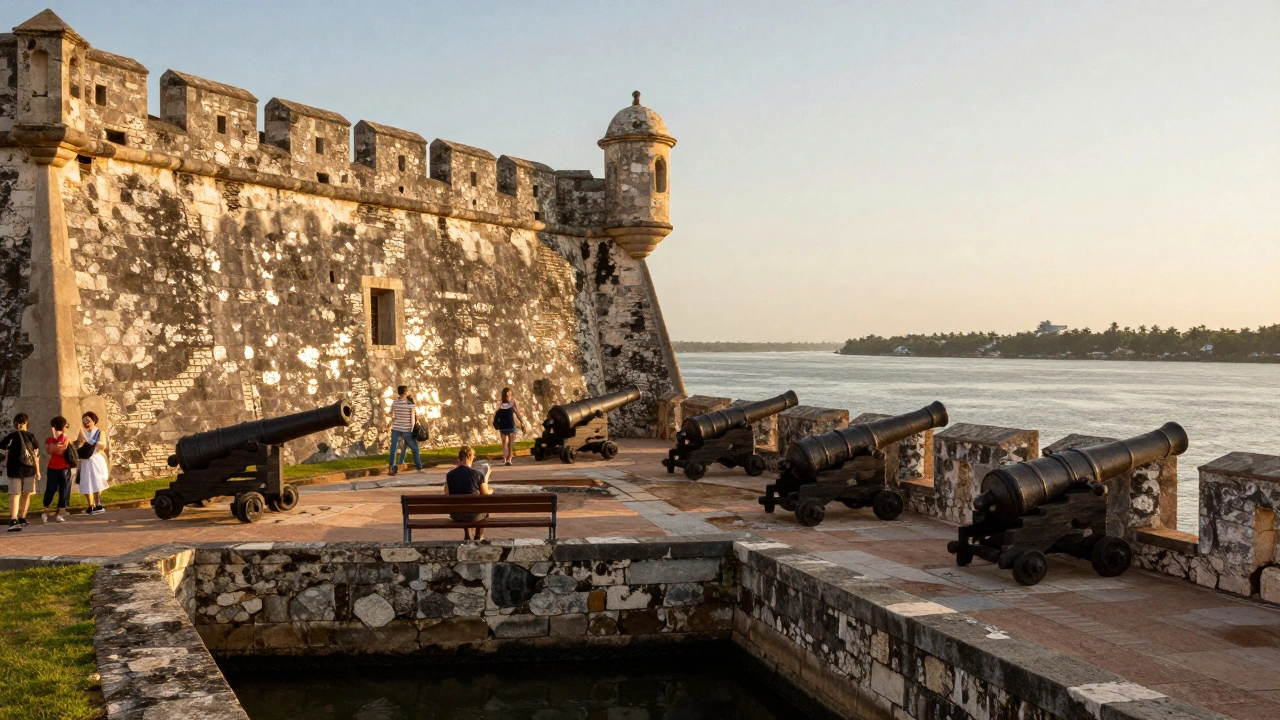
When you think of historic Florida sites, places where real events shaped the foundation of the state, from Spanish colonists to Native American trails. Also known as Florida heritage landmarks, these locations aren’t just old buildings—they’re where history happened, not just recorded. Most people assume Florida’s past is all about theme parks and beaches, but the truth is, this state has been around longer than any other in the U.S. St. Augustine, founded in 1565, is the oldest continuously inhabited European-established settlement in the country. You can walk the same cobblestone streets that Spanish soldiers trod over 450 years ago, and still see the original fort walls at Castillo de San Marcos, a 17th-century Spanish stone fortress built to defend against pirates and rival empires. It’s not a replica. It’s the real thing—still standing, still telling stories.
But Florida’s history didn’t start or end with the Spanish. The Fort Caroline, a French Huguenot settlement from 1564, once stood near present-day Jacksonville. It was wiped out by the Spanish in a brutal clash that changed the course of colonial power in North America. Today, the reconstructed site offers a quiet, powerful look at what life was like for early settlers fighting for survival in a land they didn’t understand. Then there’s the Cracker Trail, a network of old cattle roads used by Florida’s pioneer herders, known as ‘Crackers’. These weren’t rich plantation owners—they were tough, self-reliant families who moved cattle across swamps and pine forests, living off the land. Their stories are etched into the dirt roads still visible in places like Okeechobee and Lake City. Even the name ‘Kissimmee’ comes from the Native American word for ‘long water,’ referencing the river that shaped life here long before tourists arrived.
These places don’t scream for attention like Disney World. They don’t have fireworks or character meet-and-greets. But they’re where Florida’s soul was formed. You won’t find lines here. You’ll find silence, weathered signs, and the weight of time. And if you’ve ever wondered why Florida feels so different from other states—why the air smells like salt and pine, why the towns have names that sound like they came from another century—it’s because this land remembers. The posts below take you to these exact spots: the hidden ruins, the forgotten cemeteries, the old lighthouses still guiding boats, and the museums locals swear by. Whether you’re planning a quiet road trip or just want to understand what came before the theme parks, these stories are the real Florida.
- December 1 2025
- 0 Comments
- Cara Jones
What Is One Landmark in Florida? The Most Iconic Site You Can't Miss
The Castillo de San Marcos in St. Augustine is Florida's oldest and most iconic landmark - a 330-year-old stone fort that never fell in battle. A must-see for history lovers and travelers seeking real heritage over theme parks.
- Disney World Vacations (35)
- Kissimmee Florida (29)
- Florida travel (26)
- Crypto & Blockchain (10)
- Information & Privacy (5)
- Blockchain & Cryptocurrency (4)
- Disney Parks & Tips (3)
- Disney History (3)
- Travel (2)
- Travel Tips (2)
Categories
- January 2026 (6)
- December 2025 (29)
- November 2025 (41)
- October 2025 (16)
- September 2025 (6)
- August 2025 (3)
- July 2025 (3)
- June 2025 (2)
- May 2025 (2)
- April 2025 (1)
- March 2025 (6)
- February 2025 (11)
Archives
- Florida beaches
- Disney World
- Florida
- Florida travel
- Kissimmee demographics
- Kissimmee
- Kissimmee Florida
- Orlando tourism
- Disney park hours
- Disney World tips
- Disney vacations
- Disney 100
- theme park tips
- Disney celebration
- tourism
- Disney secrets
- Disney history
- travel
- Disney World crowd calendar
- Disney World cost