
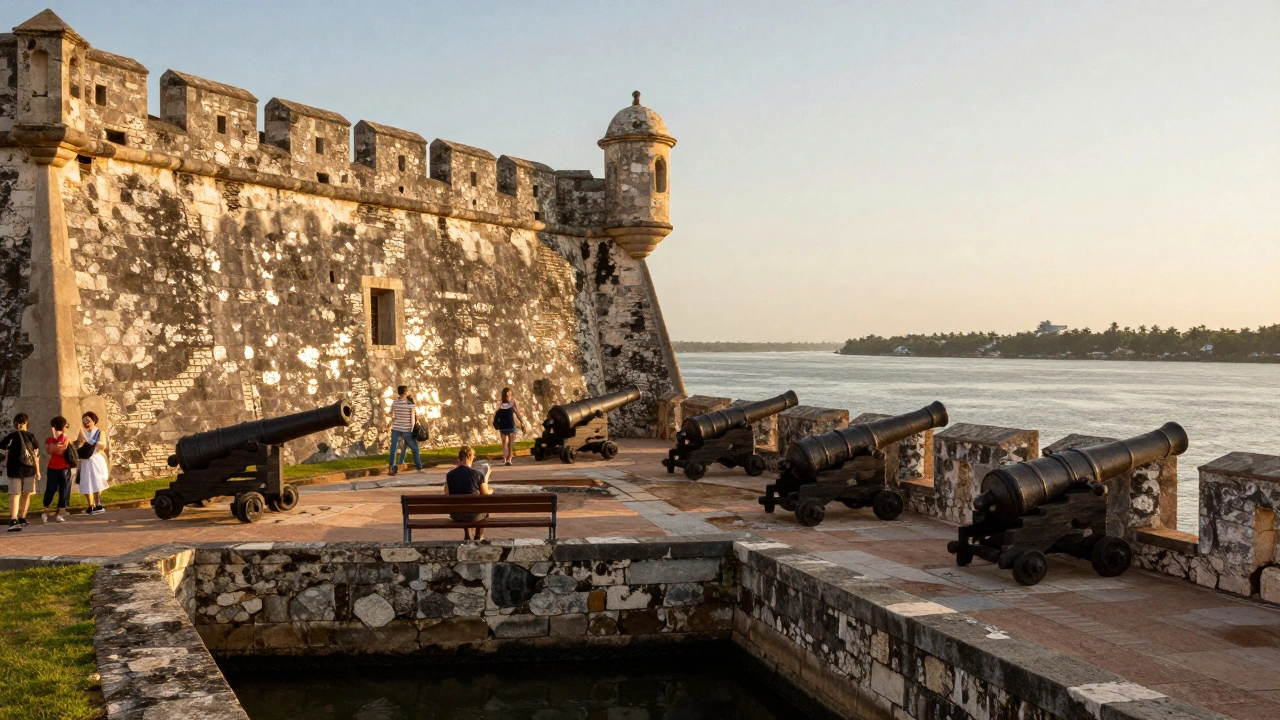
If you’ve ever wondered what single place in Florida stands out above the rest - the one spot that captures the state’s history, culture, and charm in a single view - it’s the Castillo de San Marcos in St. Augustine. Not a theme park. Not a beach. Not a glittering resort. This 17th-century stone fortress is the oldest masonry fort in the continental United States, and it’s been standing since 1695. It’s the kind of place that makes you stop and think: people lived, fought, and built here centuries before Florida was even a state.
Why the Castillo de San Marcos Is More Than Just a Stone Wall
Most people think of Florida as sun, sand, and Disney. But the Castillo tells a different story. Built by Spanish colonists to protect their claim in the New World, this fortress was never taken by force. British troops tried in 1702 and again in 1740. Cannonballs bounced off its coquina walls - a unique rock made of crushed shells - and failed to break through. That’s why it still stands today, untouched by war, hurricanes, or time.
The walls are 12 feet thick in places. The moat is still there. You can walk the same paths that Spanish soldiers walked, climb the ramparts, and see the original cannons pointing out to sea. Inside, you’ll find reconstructed rooms - a chapel, a jail, a powder magazine - all preserved with real artifacts. The air smells like salt and old stone. Kids run through the courtyards. Tourists take photos with the cannons. Locals sit on benches reading books. It’s not crowded like Disney. It’s quiet. Real.
It’s Not Just a Fort - It’s a Timeline
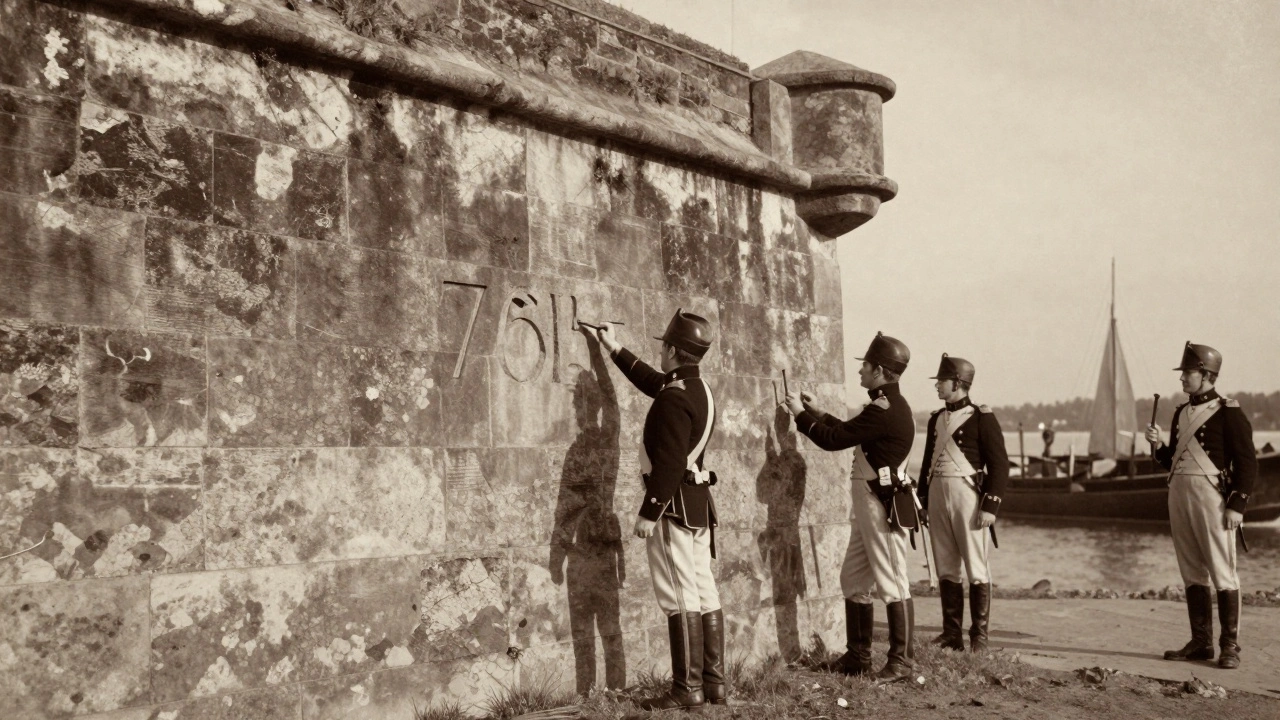
The Castillo didn’t just belong to Spain. It changed hands four times. Spain built it. Britain took it in 1763. Spain got it back in 1783. Then the U.S. took control in 1821. Each time, new names were carved into the walls. Each time, new soldiers lived here. You can still see British graffiti from the 1700s scratched into the stone. One inscription reads: “J. Smith, 1765.” No one knows who he was. But his name is still there.
The fort became a military prison during the Seminole Wars. Native American leaders like Osceola were held here. Their stories are told in quiet exhibits. There’s no flashy screen. No VR headset. Just handwritten letters, old uniforms, and the silence of the walls. It’s heavy. It’s honest. And it’s the only place in Florida where you can touch something older than the United States itself.
What Makes It Different From Other Florida Attractions
Florida has dozens of famous spots. The Kennedy Space Center. The Everglades. Miami Beach. The Florida Keys. But none of them are 330 years old. None of them were built by hand with shells and sweat. None of them survived wars, fires, and hurricanes without being rebuilt from scratch.
The Castillo doesn’t need fireworks or roller coasters. It doesn’t charge $120 for a ticket. Admission is $15 for adults. Kids under 15 get in free. You can spend two hours here or six. There’s no rush. No line. No loud music. Just you, the breeze off the Matanzas River, and the weight of history.
Compare that to Disney World, where you wait 90 minutes for a ride that lasts 3 minutes. Or Universal, where everything is themed to a movie you’ve seen 10 times. The Castillo doesn’t pretend to be anything. It is what it is: a real place, built by real people, for real reasons. And it’s still standing.
When to Visit and How to Make the Most of It
The best time to go is early morning or late afternoon. The sun hits the coquina walls just right, turning them golden. Midday in summer is hot and humid - bring water, wear a hat, and plan for shade. Winter months (November to March) are ideal. The air is crisp. The crowds are thin. You can sit on the ramparts and watch sailboats drift past without bumping into ten other tourists.
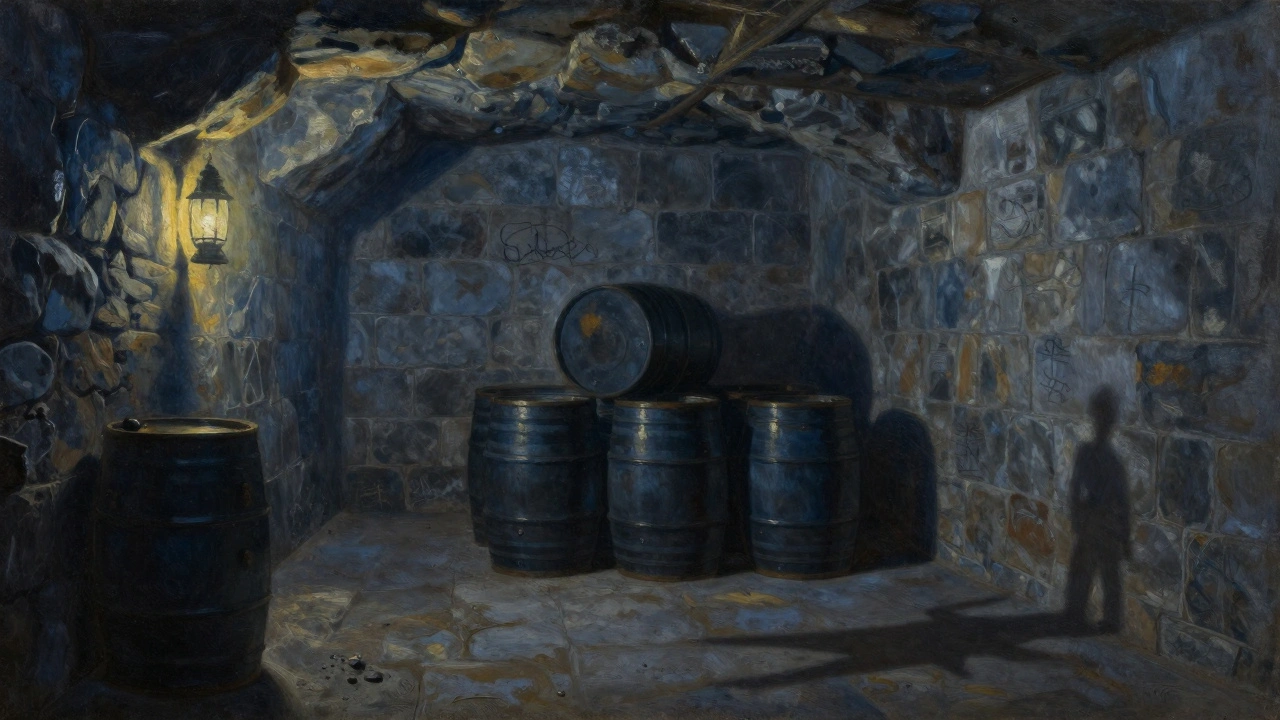
Plan to spend at least two hours. Walk the full perimeter. Climb the watchtower. Look down at the moat. Read the plaques near the cannons. Don’t skip the underground powder magazine - it’s cool, dark, and smells like earth and time. The rangers give free talks every hour. They don’t read from a script. They tell stories - like how a Spanish cook once used cannonballs to roast a pig during a siege. (It worked.)
If you’re driving, park at the lot right across the street. It’s $5 for the whole day. There’s no shuttle. No tram. Just a 3-minute walk. The town of St. Augustine is walkable. After the fort, grab a coffee at a 1920s-style café, stroll down St. George Street (pedestrian-only, full of artisans and street musicians), and find the oldest wooden house in the U.S. - the González-Alvarez House - built in 1723.
Why This Landmark Matters Today
Florida is changing fast. New condos rise every week. Beaches get crowded. Prices keep climbing. But the Castillo doesn’t change. It doesn’t need to. It reminds us that Florida’s story didn’t start with Disney or Miami. It started here - with people building something that would last longer than empires.
It’s not just a tourist spot. It’s a monument to resilience. To patience. To craftsmanship. To the idea that some things are worth preserving, even if they don’t make money. You won’t find a Starbucks inside. No merch stands selling “I Survived the Castillo” T-shirts. Just quiet dignity.
If you’ve ever wondered what Florida was like before it became a vacation brand - this is it. One stone fort. One story. One place that never sold out.
What Else to See Nearby
St. Augustine isn’t just the Castillo. It’s a full historic district. Walk the narrow streets and you’ll find:
- The Fountain of Youth Archaeological Park - where Ponce de León supposedly searched for the legendary spring
- The St. Augustine Lighthouse - climb 219 steps for a view of the Atlantic
- The Spanish Military Hospital Museum - one of the oldest medical facilities in the U.S.
- The Colonial Quarter - live reenactments of 18th-century life
- The Cathedral Basilica of St. Augustine - built in 1793, still holding Sunday Mass
All of it is within a 15-minute walk. You could spend a full day here and still not see everything. But the Castillo? That’s the anchor. The reason you came.
Is the Castillo de San Marcos the only historic landmark in Florida?
No, Florida has many historic sites - like the Ernest Hemingway Home in Key West, the Tallahassee Capitol, or the De Leon Springs State Park. But the Castillo is the only one that’s over 300 years old, made of stone, and never captured in battle. It’s the oldest and most intact military structure in the continental U.S.
Can you walk inside the Castillo de San Marcos?
Yes. You can walk through every level - the ramparts, the barracks, the powder magazine, the chapel, and even the dungeon. The fort is fully accessible with ramps and elevators for mobility needs. Most areas are open daily from 9 a.m. to 5:30 p.m.
Is the Castillo de San Marcos worth visiting if you’re only in Florida for a few days?
If you’re visiting Florida for culture, history, or a break from theme parks, then yes - it’s one of the top three things to do. It’s only 45 minutes from Orlando, 90 minutes from Jacksonville, and 2 hours from Tampa. Even a half-day visit gives you something no amusement park can: a real connection to the past.
Are there guided tours at the Castillo?
Yes. Rangers offer free, live guided talks every hour. They cover everything from siege tactics to daily life in the 1700s. You can also pick up a self-guided brochure at the entrance. Audio tours are available for rent for $5. No reservation is needed.
Is the Castillo de San Marcos wheelchair accessible?
Yes. Ramps lead to all main areas. Elevators serve the upper levels. Wheelchair-accessible restrooms are available. The grounds are paved and mostly flat. Some sections of the ramparts have steep stairs, but you can still enjoy the views from the lower levels and the main courtyard.
Final Thought: What You’ll Remember
You won’t remember the price of your hotel. You won’t remember which ride had the longest line. But you will remember standing on those coquina walls, feeling the wind off the Atlantic, and knowing you were touching something that outlasted kings, wars, and empires. That’s the kind of memory Florida doesn’t sell in gift shops. It only gives to those who look beyond the sand and the neon.