
Florida Hurricane Safety: What You Need to Know Before, During, and After a Storm
When a hurricane threatens Florida hurricane safety, the set of actions and preparations needed to protect life and property during tropical storms. Also known as storm preparedness, it’s not just about boarding up windows—it’s about knowing when to leave, what to pack, and how to stay connected when power and cell service go down. Florida sees more hurricanes than any other state, and Kissimmee, just minutes from Disney World, isn’t immune. In 2022, Hurricane Ian flooded streets near US 192, knocked out power for days, and left families scrambling. You don’t need to live on the coast to be at risk—hurricanes bring wind, rain, and flooding far inland.
Hurricane evacuation routes, officially designated roads used to move people out of danger zones during storms are posted at every major intersection in Central Florida. Know yours before the storm hits. Don’t wait for a warning—start planning when the first tropical wave appears. Keep gas in your car, have cash on hand (ATMs won’t work without power), and pack essentials like water, medications, and baby formula. Emergency kit Florida, a pre-packed bag of survival items for hurricane events isn’t optional. It should include at least three days of supplies: one gallon of water per person per day, non-perishable food, a battery-powered radio, flashlights, and first-aid supplies. Skip the fancy gear—focus on what keeps you alive.
Many people think they can ride out a storm in their home. But if you live in a mobile home, near a drainage ditch, or in a low-lying area, you’re not safe. The state’s emergency alerts don’t just warn of wind—they track rising water. If you’re told to evacuate, leave. Don’t argue. Don’t wait for a neighbor. The 2025 sinkhole rescue in Kissimmee showed how fast things can go wrong. Storms don’t care if you’ve got a Disney ticket booked or a rental car waiting. They move fast, and they’re brutal.
After the storm, don’t rush outside. Downed power lines can be hidden under water. Mold grows in 48 hours. Your insurance won’t cover everything, so take photos before you clean up. And if you’re staying in Kissimmee, remember: the closest hospitals might be closed, and the nearest grocery store could be out of bottled water for days. That’s why preparation isn’t just smart—it’s survival.
Below, you’ll find real stories and practical advice from people who’ve lived through Florida storms—what worked, what didn’t, and what no one tells you until it’s too late.
- December 4 2025
- 12 Comments
- Lucas Harrington
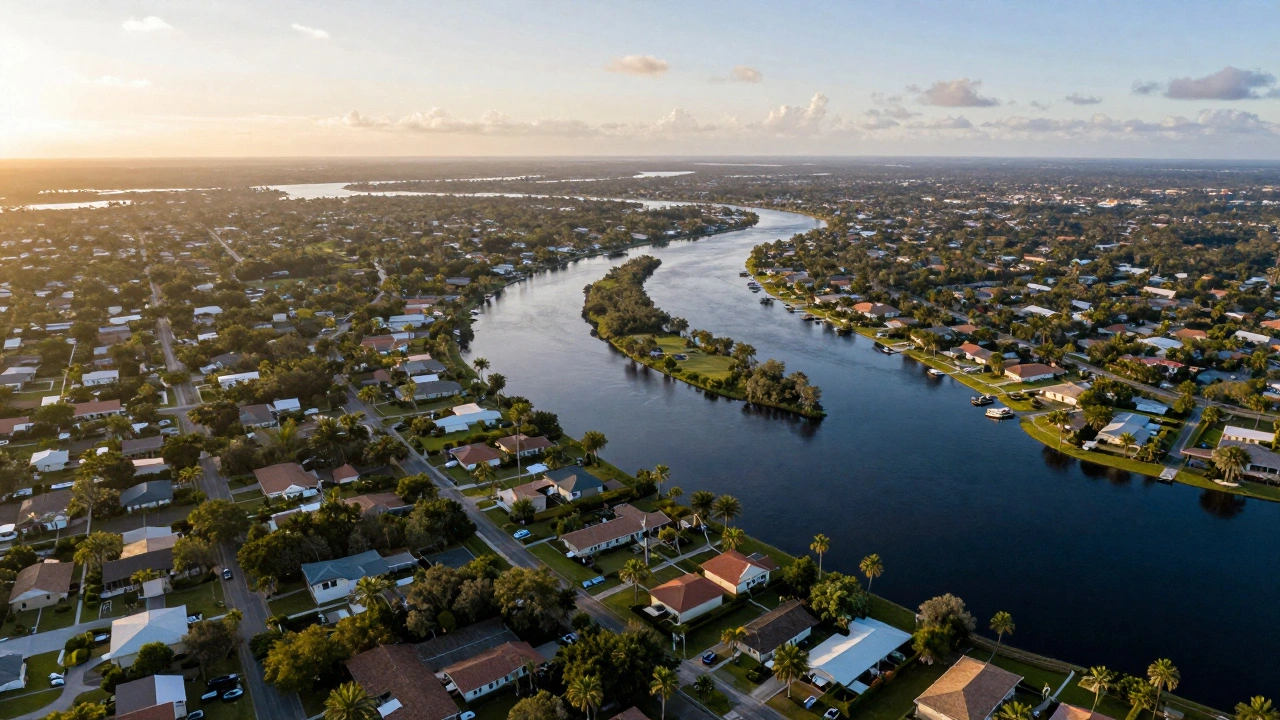
Best Places to Live in Florida to Avoid Hurricanes and Sinkholes
Kissimmee, Florida, offers one of the safest inland locations to avoid hurricanes and sinkholes. With low storm surge risk, minimal sinkhole activity, and affordable insurance, it’s a smart choice for those wanting to live in Florida without constant natural disaster worries.
- Disney World Vacations (35)
- Kissimmee Florida (29)
- Florida travel (26)
- Crypto & Blockchain (10)
- Information & Privacy (5)
- Blockchain & Cryptocurrency (4)
- Disney Parks & Tips (3)
- Disney History (3)
- Travel (2)
- Travel Tips (2)
Categories
- January 2026 (6)
- December 2025 (29)
- November 2025 (41)
- October 2025 (16)
- September 2025 (6)
- August 2025 (3)
- July 2025 (3)
- June 2025 (2)
- May 2025 (2)
- April 2025 (1)
- March 2025 (6)
- February 2025 (11)
Archives
- Florida beaches
- Disney World
- Florida
- Florida travel
- Kissimmee demographics
- Kissimmee
- Kissimmee Florida
- Orlando tourism
- Disney park hours
- Disney World tips
- Disney vacations
- Disney 100
- theme park tips
- Disney celebration
- tourism
- Disney secrets
- Disney history
- travel
- Disney World crowd calendar
- Disney World cost