
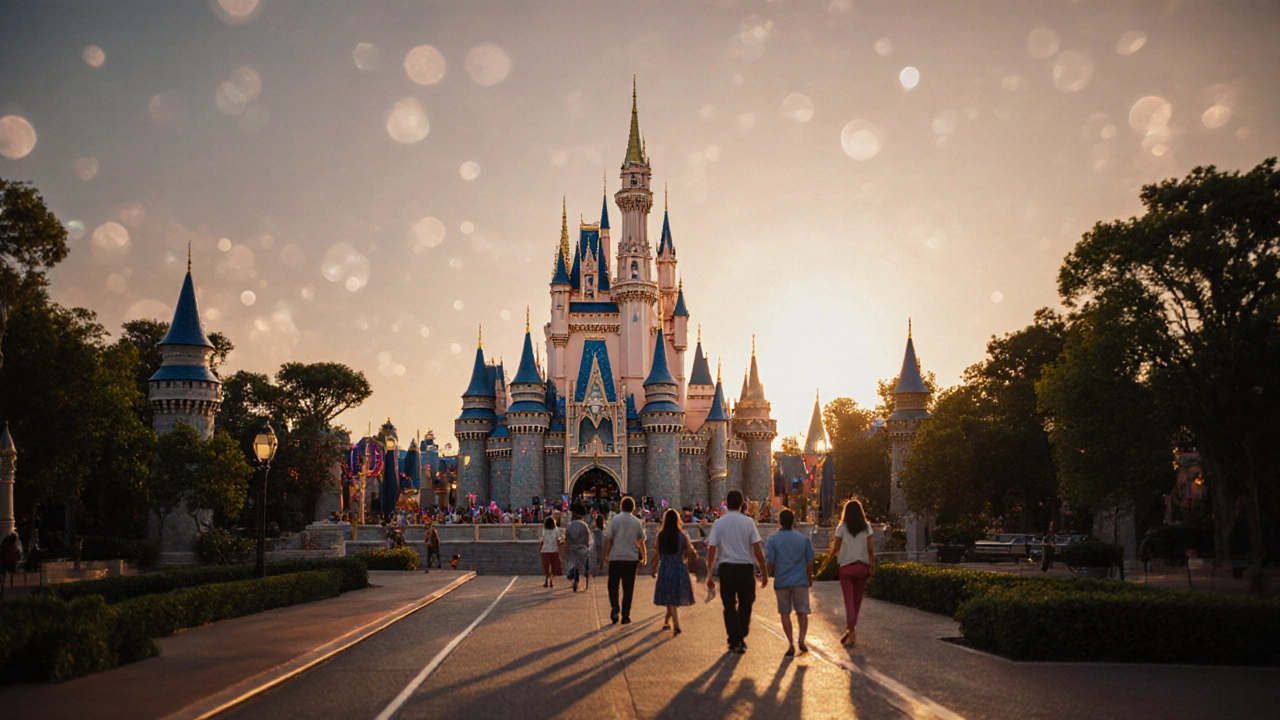
Florida isn’t just another state on the map-it’s a full-blown experience. Millions of people visit every year, and most leave with the same question: What is Florida best known for? The answer isn’t one thing. It’s a mix of sun-drenched beaches, world-famous theme parks, wild natural landscapes, and a culture that’s as diverse as its wildlife.
World-Famous Theme Parks
If you’ve ever seen a child’s eyes light up at the sight of Cinderella’s Castle, you know why Florida’s theme parks dominate the conversation. Walt Disney World Resort in Orlando isn’t just the biggest theme park complex on Earth-it’s the most visited vacation destination in the world. With four major parks, two water parks, and over 200 hotels, it pulls in more than 50 million visitors annually. But Disney isn’t alone. Universal Orlando Resort rivals it with The Wizarding World of Harry Potter, Jurassic World, and high-speed roller coasters like Hagrid’s Magical Creatures Motorbike Adventure. Then there’s SeaWorld, Legoland, and smaller gems like Gator Park. These aren’t just rides-they’re immersive stories, branded experiences, and family traditions.
Stunning Beaches and Coastal Scenery
Florida has more coastline than any state except Alaska-over 1,350 miles of it. And the beaches? They’re the kind that show up in postcards. Clearwater Beach, with its white sand and turquoise water, regularly ranks among the top beaches in the U.S. Miami Beach draws crowds for its Art Deco architecture and lively boardwalk. The Gulf Coast, from Naples to Panama City, offers calm waters perfect for families. But if you want something quieter, head to the Florida Keys. Bahia Honda State Park has sand so fine it feels like powdered sugar underfoot. And don’t forget the Atlantic side-Daytona Beach is famous for its hard-packed sand that lets you drive right on the shore. These aren’t just places to soak up sun-they’re where locals go to unwind, where tourists learn to snorkel, and where sunsets turn the sky into a watercolor painting.
The Everglades and Wildlife
Florida is home to the largest subtropical wilderness in the U.S.-the Everglades. This 1.5-million-acre wetland isn’t just a park. It’s a living ecosystem where alligators sunbathe on the edge of canals, manatees glide through warm springs, and rare birds like the roseate spoonbill wade through shallow water. Airboat tours let you zip across sawgrass marshes, spotting wildlife up close. The Everglades isn’t a zoo-it’s a wild, breathing place that changes with the seasons. It’s also the only place on Earth where alligators and crocodiles live side by side. You won’t find that anywhere else.
The Florida Keys and Coral Reefs
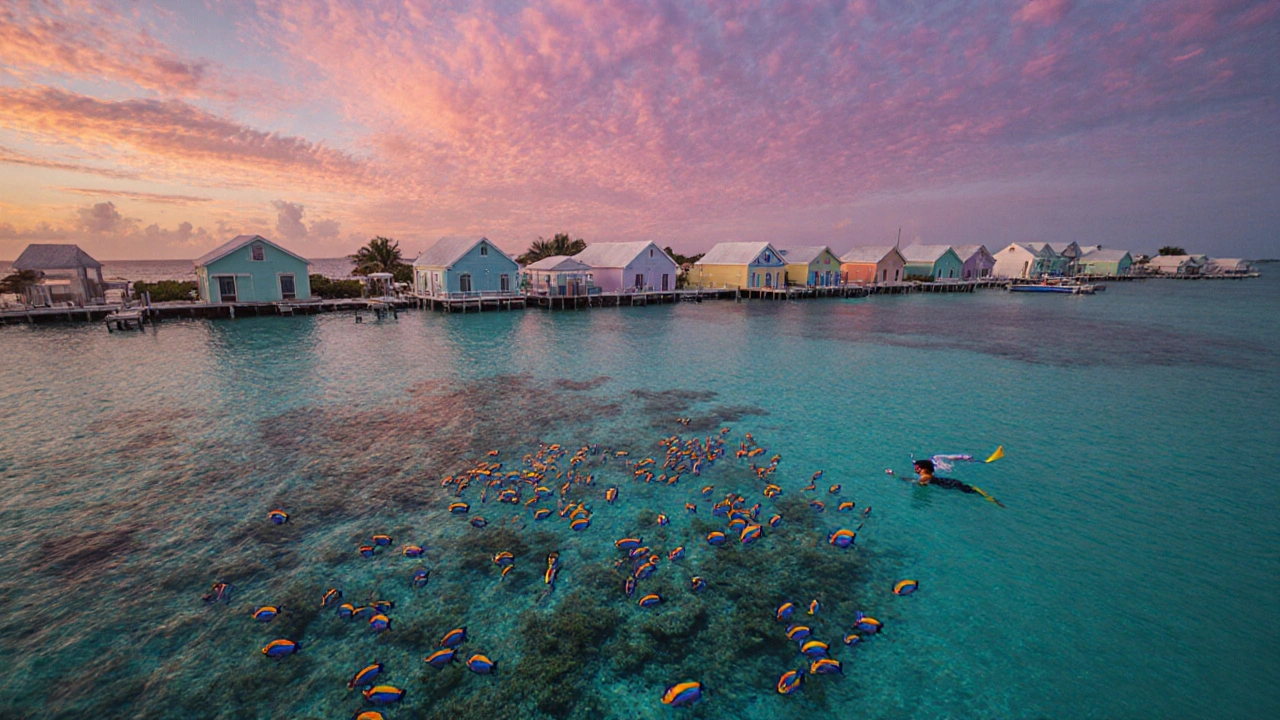
Stretching 127 miles from the tip of the mainland, the Florida Keys are a chain of islands that feel like another country. Key West, the southernmost point in the continental U.S., is where you’ll find Ernest Hemingway’s home, the famous sunset at Mallory Square, and streets lined with pastel-colored houses. But the real magic lies beneath the surface. The Florida Reef is the only living coral barrier reef in the continental U.S. Snorkelers and divers come here to swim with sea turtles, parrotfish, and nurse sharks. The water is so clear you can see 100 feet down. And if you’re lucky, you might spot a sea horse tucked into a patch of seagrass.
Cultural Melting Pot and Food Scene
Florida’s identity isn’t just shaped by tourists-it’s built by decades of immigration. Miami’s Little Havana is where Cuban coffee is brewed strong and cigars are rolled by hand. Tampa’s Ybor City has a legacy of Spanish and Italian immigrants who built the cigar industry in the 1800s. The state’s food reflects this: stone crab claws in the Keys, key lime pie in every roadside diner, Cuban sandwiches in Jacksonville, and fresh seafood caught daily off the coast. You’ll find Haitian patties in Broward County, Colombian arepas in Orlando, and authentic Jamaican jerk chicken in Fort Lauderdale. Florida doesn’t just serve food-it serves culture on a plate.
Retirement and Senior Living
More than 20% of Florida’s population is over 65-the highest percentage in the nation. That’s not an accident. The state’s warm climate, low taxes, and abundance of senior-friendly communities make it a magnet for retirees. Cities like The Villages, a massive planned community with golf courses, pickleball courts, and live music every night, have become full-blown towns for older adults. Seniors come for the weather, stay for the community, and often become the backbone of local events. It’s not just a retirement destination-it’s a lifestyle.
Space and Innovation
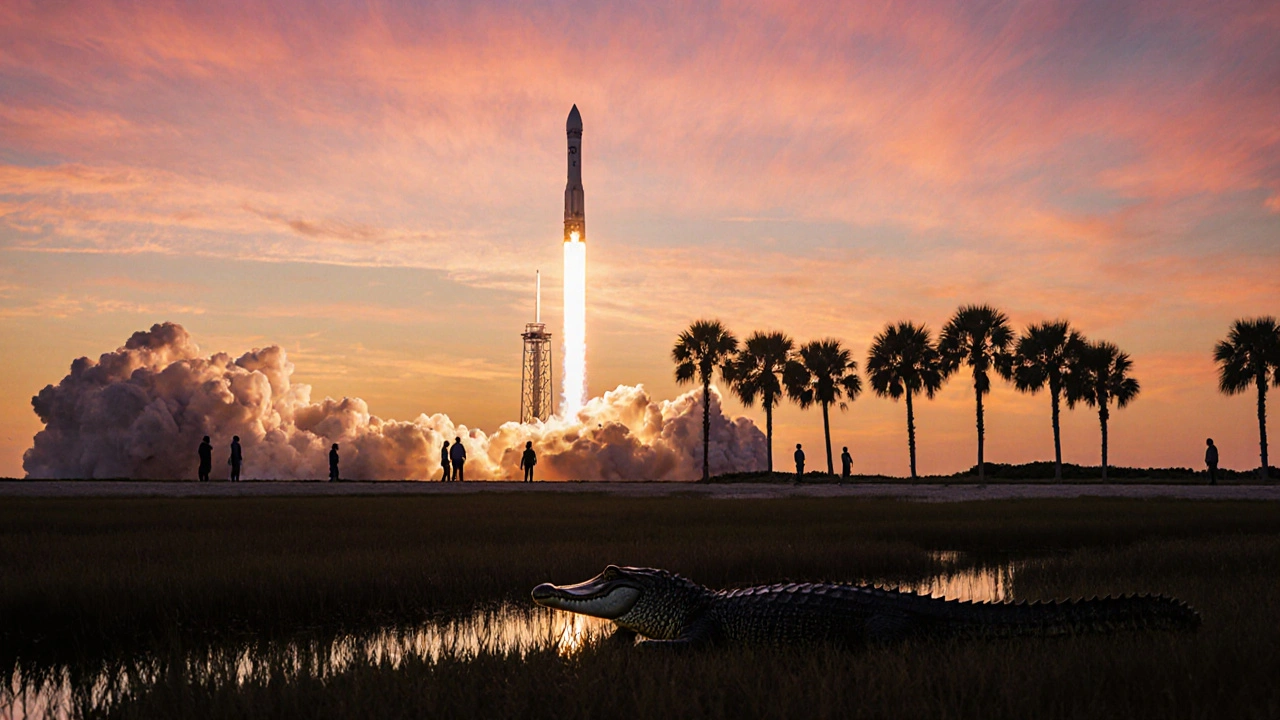
Florida’s coast isn’t just for beaches-it’s for rockets. Cape Canaveral and the Kennedy Space Center are where NASA launches missions to Mars, the Moon, and beyond. Visitors can walk where astronauts trained, see the actual Saturn V rocket that took men to the Moon, and even watch a live launch from just a few miles away. SpaceX and Blue Origin now share the launch pads, making Florida the unofficial capital of American spaceflight. It’s not just history-it’s happening right now. If you’ve ever watched a rocket streak across the sky at dawn, you know why this part of Florida is unforgettable.
Outdoor Adventures Beyond the Beach
Florida isn’t just about lounging in the sun. It’s a playground for adventurers. You can kayak through mangrove tunnels in the Ten Thousand Islands, paddleboard with dolphins in Sarasota, or bike along the 100-mile-long Florida Keys Overseas Highway. In the Panhandle, you’ll find limestone springs like Wakulla Springs, where you can swim in crystal-clear water alongside freshwater fish and turtles. Hiking trails wind through state parks like Myakka River and O’Leno, where you might spot a black bear or a bobcat. Even in cities like Orlando, you’ll find hidden nature preserves where alligators and bald eagles thrive. Florida rewards those who look beyond the resorts.
Why Florida Stands Out
What makes Florida unique isn’t any single attraction-it’s the sheer variety. You can spend the morning watching a rocket launch, have lunch in a Cuban diner, snorkel over coral reefs in the afternoon, and watch the sunset from a beach where alligators nap on the shore. No other state offers that mix of nature, culture, entertainment, and innovation in such close proximity. It’s not just a vacation spot. It’s a place where you can live out multiple dreams in a single day.
Is Florida only about theme parks and beaches?
No. While theme parks and beaches are the most famous draws, Florida has much more. The Everglades offer wild, untouched nature. The Florida Keys have the only living coral reef in the continental U.S. Cities like Miami and Tampa have rich cultural histories shaped by immigration. You can also explore space at Kennedy Space Center, kayak through mangroves, or relax in retirement communities built for older adults. Florida is a state of contrasts-glamorous and wild, modern and historic, crowded and quiet-all in one.
When is the best time to visit Florida?
The best time depends on what you want. For theme parks and cities, late fall (November) to early spring (March) is ideal-milder weather, fewer crowds, and lower prices. Summer (June-August) is hot and humid with afternoon thunderstorms, but it’s also the cheapest time to visit. If you want to see manatees, go between November and March when they gather in warm springs. For beach lovers, April-May and October-November offer warm water without the peak crowds. Avoid hurricane season (June-November) unless you’re prepared for possible storms.
Can you see alligators in Florida without going on a tour?
Yes. Alligators are common in many natural areas across Florida. You can spot them from boardwalks in Everglades National Park, along the shores of Lake Okeechobee, or even in neighborhood canals in places like Fort Lauderdale and Orlando. Many public parks have viewing platforms designed for safe observation. Just remember: never feed them, never get close, and always stay on marked paths. They’re wild animals, not photo ops.
Is Florida expensive to visit?
It can be, but it doesn’t have to be. Theme parks and resort hotels drive up costs, especially during holidays. But you can save big by visiting in the off-season, staying in vacation rentals instead of hotels, and focusing on free or low-cost attractions like beaches, state parks, and public boardwalks. Many museums offer free admission days, and you can enjoy fresh seafood at local docks for less than $15 a meal. Florida has options for every budget-if you plan ahead.
What makes the Florida Keys different from the rest of Florida?
The Florida Keys feel like a world apart. They’re a string of islands connected by highways that cross open ocean, giving them a remote, island-vibe. The water is clearer, the pace is slower, and the culture leans heavily toward marine life and fishing. Key West has a bohemian history, with writers, artists, and free-spirits drawn to its laid-back energy. Unlike mainland Florida, you won’t find big-box stores or sprawling suburbs here-just colorful homes, seafood shacks, and sunsets that draw crowds every evening. It’s the only place in Florida where you can drive to the southernmost point of the continental U.S.
kelvin kind
November 12, 2025 AT 12:37Been to Florida three times. Still haven’t seen all of it. Beaches are great, but the Everglades airboat ride? That’s the real deal.
Ian Cassidy
November 13, 2025 AT 06:32Yup, the ecosystem diversity is insane. You got subtropical wetlands, coral reefs, and space launch pads all in one state. It’s like a geo-bio-engineering lab that got bored and decided to become a tourist trap.
Ananya Sharma
November 13, 2025 AT 06:41Oh please. Everyone talks about Disney like it’s the Holy Land. But let’s be real-Florida’s biggest export is overpriced souvenirs and sunburned tourists who think alligators are just giant lizards with attitude. The real Florida is the 80% of the state that isn’t Orlando or Miami-where people actually live, not just visit for a week and post selfies with a stuffed alligator. And don’t even get me started on how they’ve turned the Keys into a Disney World for rich retirees with yachts. The coral reefs are dying because of runoff from luxury condos. You want authenticity? Go to a place where the locals aren’t selling key lime pie in a plastic cup with a plastic fork.
And yes, I know the Everglades are ‘wild.’ But have you seen the number of airboat tours that just churn through the marshes like they’re on a water slide? It’s ecological tourism theater. The manatees? They’re not ‘cute’-they’re endangered because of boat strikes and polluted water. You don’t get to romanticize nature while contributing to its destruction.
And don’t even mention ‘retirement communities.’ The Villages? It’s a gated dystopia where old people play pickleball to avoid thinking about climate change while their grandchildren inherit a state that’s half underwater. And yes, I’ve read the article. It’s a marketing brochure disguised as journalism. Florida isn’t a ‘dream’-it’s a cautionary tale wrapped in palm trees.
Oh, and the ‘cultural melting pot’? Sure, Miami has Cuban food. But the real story is the systemic displacement of Haitian and Caribbean communities by Airbnb landlords and luxury condos. The ‘authentic’ food scene? It’s being gentrified into Instagrammable fusion bowls. You can’t have a ‘melting pot’ when the pot is owned by developers who don’t speak Spanish, Creole, or Tagalog.
And don’t get me started on the space launches. Yeah, cool. But who pays for it? Taxpayers. Who benefits? Billionaires. And the environmental cost? The exhaust from rockets is worse than you think. We’re literally burning the atmosphere to send Elon’s toys into orbit while Florida’s coastline erodes.
So yes, Florida is ‘unique.’ But uniqueness doesn’t equal virtue. It just means you’ve got more ways to screw things up.
Zach Beggs
November 13, 2025 AT 17:14Agreed with Kelvin-Everglades airboat was the highlight. Saw a gator bigger than my car. Didn’t even flinch.
Kenny Stockman
November 15, 2025 AT 03:31Man, I love how Florida just… exists. Like, it doesn’t care if you think it’s too much. It’s got space rockets, alligators, and Cuban sandwiches all in one zip code. It’s chaotic, yeah-but that’s what makes it real. Don’t overthink it. Just go.
Sandy Dog
November 16, 2025 AT 06:06OK BUT HAVE YOU SEEN THE SUNSET IN KEY WEST??? 😭🫶🏽 I cried. Like, full-on ugly crying while eating a conch fritter and a guy in a pirate hat played ukulele. I swear, the sky turned into liquid gold and then a flamingo flew by?? It was like the universe said ‘I’m done with normal.’ 🌅🦩 #FloridaMagic
Paritosh Bhagat
November 16, 2025 AT 14:07Ugh, I can’t believe people still romanticize Florida like it’s some paradise. Did you know that in 2023 alone, over 1,200 alligator-related incidents were reported? And they’re not ‘harmless’-they’re apex predators with zero regard for your Instagram post. Also, the coral reefs? Dead. Like, 90% dead. And yet, everyone still goes snorkeling like it’s a spa day. And don’t even get me started on the water quality-red tide is now a seasonal event, not an anomaly. Florida’s ‘beauty’ is a lie sold by tourism boards. The real Florida is the one with the abandoned trailer parks and the kids swimming in canals with algae thicker than soup. And you’re all just here for the vibes, aren’t you?
Also, ‘Key lime pie’? Made with artificial flavoring and 200-year-old recipes that were never even from Key West. It’s a tourist trap. Authentic? No. Delicious? Maybe. But don’t pretend it’s cultural heritage. It’s capitalism with a lime wedge.
Ben De Keersmaecker
November 18, 2025 AT 10:35Technically, the Florida Reef is the third-largest coral barrier reef system in the world, after Australia and Belize. And while it’s the only one in the continental U.S., it’s also the only one facing near-total collapse due to warming waters and nutrient runoff. The irony is that the very tourism that celebrates it is accelerating its demise. You can’t have sustainable ecotourism when the infrastructure is built on disposable experiences.
Aaron Elliott
November 19, 2025 AT 00:14One must question the ontological foundation of Florida as a cultural artifact. Is it a state? A theme park? A metaphor for late-stage capitalism? The juxtaposition of celestial rocketry and subaquatic biodiversity against the backdrop of mass-retirement enclaves and commodified ethnic cuisine suggests a postmodern dissonance wherein place becomes performance. The Everglades, once a living wetland, is now a curated diorama for eco-tourists who photograph gators as if they were museum exhibits. One wonders: are we visiting Florida-or are we being visited by its myth?
Chris Heffron
November 20, 2025 AT 18:27lol the gators in the canals near Orlando are basically neighborhood pets at this point 😅
Adrienne Temple
November 21, 2025 AT 04:18My grandma retired to The Villages and now she’s got a pickleball league, a book club, and a weekly dance night. She says it’s the happiest she’s ever been. I used to think it was sad-now I get it. Sometimes peace looks like quiet sidewalks and a cold lemonade on a porch. Florida’s not just for kids and thrill-seekers. It’s for people who just want to breathe.
Antonio Hunter
November 23, 2025 AT 01:02It’s worth noting that Florida’s identity is deeply tied to its history of colonization, land speculation, and environmental exploitation. The Everglades were drained for agriculture and development in the early 20th century, and while restoration efforts have been ongoing since the 1990s, they’re chronically underfunded. The state’s tourism economy thrives on a romanticized version of nature that ignores the ecological debt accumulated over decades. The same can be said for coastal development-beachfront properties are being rebuilt higher and pricier, even as sea levels rise and hurricanes intensify. Florida doesn’t just ‘have’ contradictions-it’s built on them. And the people who benefit most from the myth of Florida as paradise are rarely the ones who pay the real cost.
When we celebrate the ‘unique mix’ of theme parks and wildlife, we’re ignoring the systemic forces that made that mix possible: tax incentives for developers, deregulation of water quality, and the erasure of Indigenous and Afro-Caribbean histories that predate Disney. The ‘cultural melting pot’ isn’t just about food-it’s about who gets to define what ‘Florida’ means. And right now, that definition is written in brochures, not in the voices of those who’ve lived here for generations.
So yes, the rocket launches are awe-inspiring. But who built the launch pads? Who maintains them? Who gets to watch them? And who gets left behind when the tourists leave and the storms come?
kelvin kind
November 24, 2025 AT 21:30True. Saw a bald eagle nesting in a pine tree right off the highway near Ocala. Didn’t even slow down. Florida just doesn’t care.