
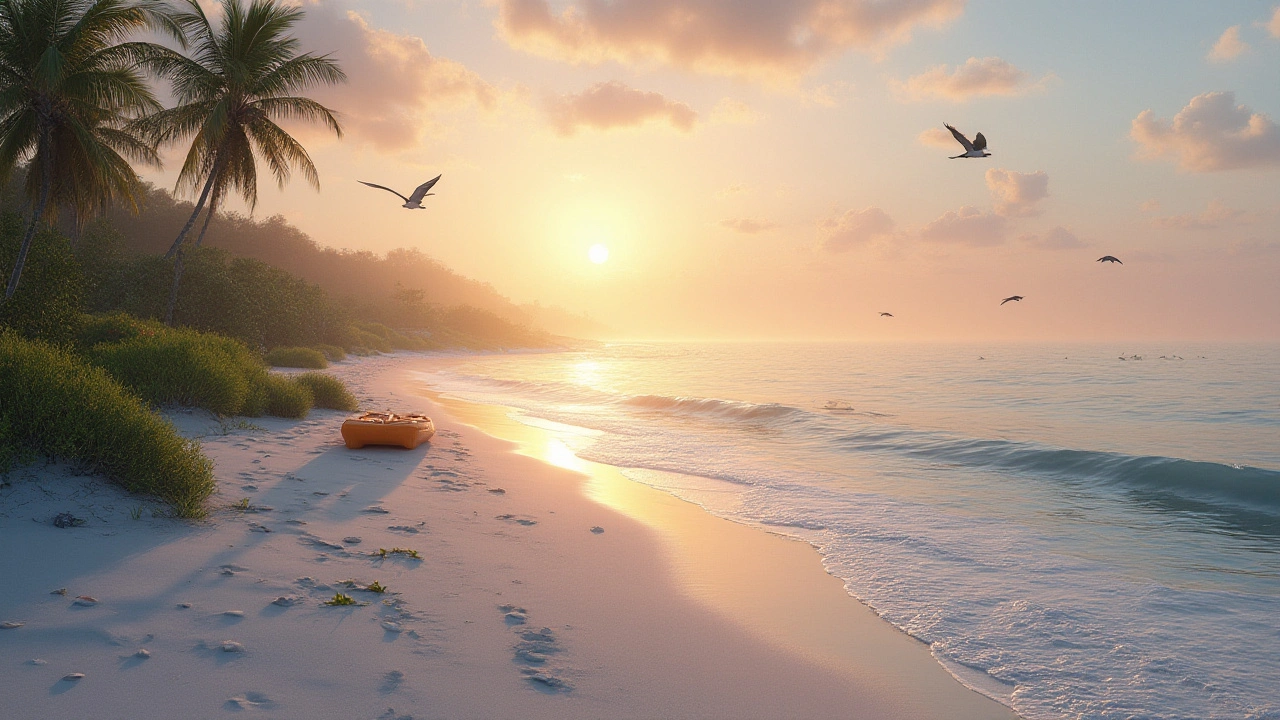
Forget the crowds at Miami Beach or the endless lines at Disney. Florida’s real magic? It’s that tiny dot on the map you probably skipped right over—Cedar Key. This old-school fishing village on the Gulf Coast hasn’t changed much in a century, and locals like it just fine that way. Most Floridians will raise an eyebrow if you ask about it, not because they don’t know, but because they’re wondering if you’re worthy of the secret. Walk out onto its pier as the sun sets, and you’ll wonder why more people aren’t here—or you might just be glad they aren’t.
The History and Charm of Cedar Key
Cedar Key is basically a living time capsule. There are wooden shacks leaning towards the ocean breeze, 19th-century clapboard houses, and a downtown district sporting more character in one block than you’ll find in all of South Beach. This place is one of Florida’s oldest ports—once the end of the Florida Railroad, with steamboats stopping in to swap gossip, cotton, and seafood. These days, it’s more about easy living than industry.
What gets me every time I visit is how life here moves on island time. Folks wave from their golf carts and nobody’s wearing a watch. The kind of local businesses you see have been family-owned since your grandparents were kids—if you’re craving fresh mullet dip or oysters pulled from the bay that same morning, you’re set. And Cedar Key doesn’t do chains. There’s no big box store, no fast food joint, and absolutely no rush hour. You want authentic? This is the real deal. The town smells of saltwater and cedar wood, with pelicans skimming close to the docks and the buzz of fishermen swapping stories over coffee.
This place also hangs onto its quirks. Every spring, the town throws its legendary Cedar Key Art Festival, which brings in dozens of regional artists and local craftsmen. It’s one of the few times Main Street actually fills up, but it’s still all smiles and neighbors catching up. The Fourth of July celebration here? Expect boat parades, home-cooked barbecue, and fireworks that shimmer over the gulf like a light show just for you.
The island looks sleepy, but it’s packed with surprises for those willing to look. The best part? Unlike the developed monstrosities further down the Gulf, mother nature has been mostly left alone. You can feel that wild Florida energy in every mangrove, and the history clings to every weathered post on the marina. Even the post office doubles as a bit of living history, standing strong since 1867. Want a fun little fact? Cedar Key was also a hot spot for pencil manufacturing, thanks to its once-thick forests of eastern red cedar. Now, what you get is charm, hospitality, and a kind of nostalgia you can’t buy at Disney Springs.
Nature and Wildlife: An Untamed Gulf Coast
While most tourists are busy chasing roller coasters, Cedar Key sits quietly between the tides and the trees, teeming with wildlife you won’t spot anywhere else in Florida. Venture outside the compact historic district, and the wild takes over.
The Cedar Keys National Wildlife Refuge is a highlight—across 13 tiny uninhabited islands, you’ll see rookeries bursting with white ibises, herons, egrets, and, if you’re lucky, a rare roseate spoonbill. In late summer, sea turtles lay eggs on the sandy shores, and in spring, flocks of migratory shorebirds use these islands as their private pit stop. Even a lazy paddle in a kayak can bring you face to face with pods of dolphins. And if you watch the shallows, you’ll see stingrays glide right past your paddle.
Fishing in these waters isn’t just sport—it’s the backbone of Cedar Key’s community. The clam farms here lead the state; you’ll see little “clam boats” chugging out at dawn. If you want a local adventure, book a tour with one of the guides who knows these waters like the backs of their hands. Prefer your feet on land? Hike out into the Cedar Key Scrub State Reserve—tranquil pine woods and palmettos, marked with wildflowers and armadillos ambling along the path.
There’s wildlife literally everywhere: ospreys and eagles soar above, marsh rabbits dart through thickets, and if you’re still or silent, the morning air is alive with frogs and crickets. Ever see a horseshoe crab up close? May is your best bet. They flock here by the hundreds to lay eggs—a prehistoric, weirdly mesmerizing spectacle. The delight is stumbling onto these encounters without a crowd elbowing in for a better shot. Here, the wildlife seems to outnumber the people ten to one.
| Wildlife Species | Best Time to Spot |
|---|---|
| Roseate Spoonbill | Spring to Summer |
| Sea Turtles | Late Summer |
| Dolphins | Year-round |
| Horseshoe Crab | May-June |
| Osprey/Eagles | Year-round |
Authentic Flavors and Fresh Feasts
You can’t talk about Cedar Key without talking about the food. Forget chain restaurants—the entire island feels like one long running seafood fest. Step into Annie’s Café or Tony’s Seafood Restaurant, and you’ll find everything from clams fresh from the bay, smoky fish dip, fried shrimp baskets, and chowder so good it’s actually won national awards. Here’s an inside tip: best kept secret in Florida isn’t just about scenery—it’s about that first slurp of Cedar Key Chowder after a day on the water.
Locals are fiercely proud of their harvest—reeling in clams in the morning, then serving them by the dozen come lunchtime. The “farm to table” trend is just how things are here. Even on a tight budget, you can feast like a king. Try the smoked grouper sandwich at 1842 Daily Grind—it’s just a deli, but locals line up for a reason. If you’re more about ambiance, some of the dockside bars serve their shrimp boils as the sun sinks below the horizon. It beats rooftop dining any day.
Don’t skip out on breakfast, either. Local diners deliver biscuits, fresh eggs, and killer coffee, minus the tourist markup. Weekends see folks packing bagged picnics and heading to the nearest fishing hole, or picking up slices of homemade key lime pie to devour while watching dolphins play. Cedar Key has its own brewery too—snag a cold pint of IPA brewed right on the island. Small-batch, big flavor, and a gathering place for both locals and visitors in the know.
For those who like a culinary keepsake, the island is awash with “mom and pop” bakeries and roadside stands selling heaven-sent jams, pickles, and hot sauces that you simply can’t buy outside the area. It’s all about simple, fresh ingredients, and zero pretense.
Easygoing Adventures and Outdoor Fun
Sure, you can come to Cedar Key to chill out and do nothing. That’s a perfectly valid (and popular) strategy. But if you crave a little adventure, you’re definitely not out of luck.
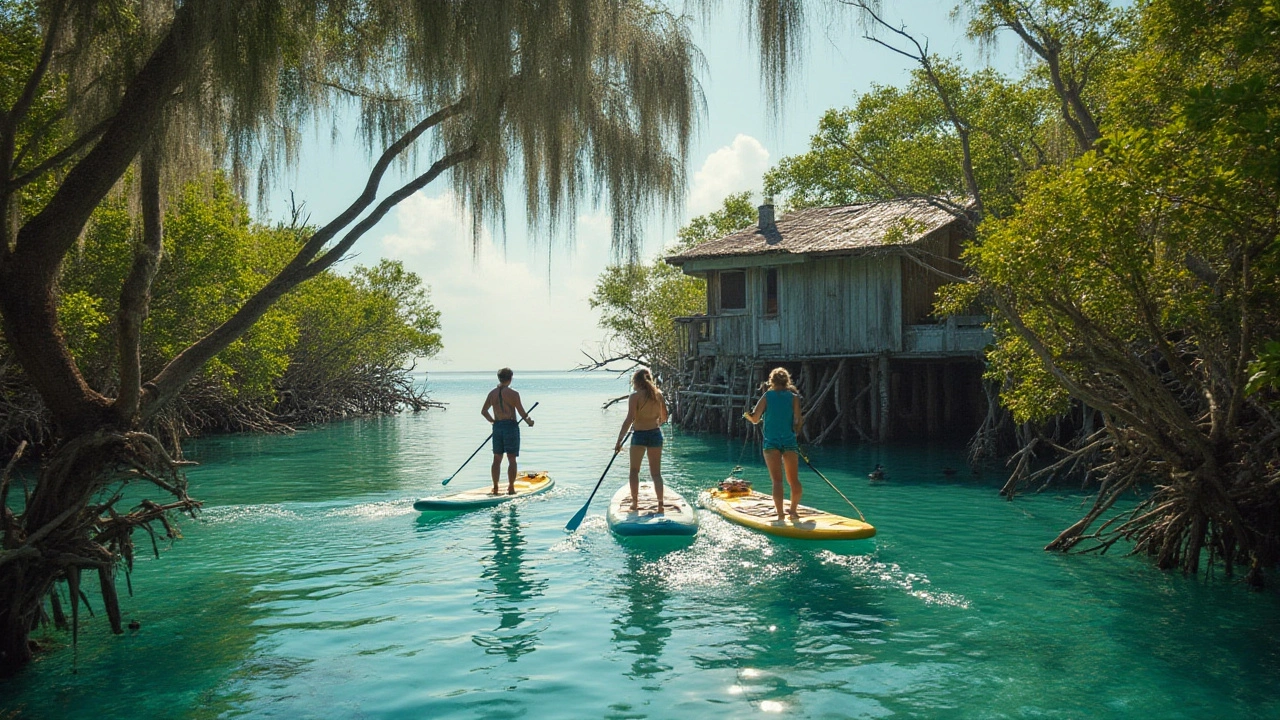
This is paddle country—bring your own kayak, or rent one right off the docks. Even beginners can safely make the trip out to Atsena Otie Key, the first of the Cedar Keys group and once the bustling heart of the area. Today, it’s just a peaceful, deserted island with walking trails, the ruins of an old pencil factory, and a beach perfect for picnicking.
Want to reel something in? Charter a fishing boat and go after redfish, trout, or even tarpon when the season’s right. Or just try your luck crabbing or cast-netting off the town pier. Birders can set up at Cemetery Point Park with a pair of binoculars and a checklist that’ll fill up before lunch. For a little adrenaline, there’s even paragliding and light sport aviation available thanks to endless open sky and gentle gulf breezes.
History buffs shouldn’t skip the Cedar Key Historical Museum, where you’ll learn about pirate sightings, ancient Indian mounds, and how the railroad opened Florida’s west coast. Got kids? A sunset stroll past the town’s painted murals and weathered boats makes for a game of I-Spy they’ll never forget. And don’t ignore a lazy ride in a rented golf cart—it's the classic way to roll through town, take in the sights, and make friends fast.
- Rent a kayak for island hopping.
- Try a fishing charter for unforgettable catches.
- Bike the town’s winding coastal roads.
- Spot rare birds along secluded trails.
- Tour the local art galleries for coastal-inspired pieces.
It’s that sweet spot of low-key and lively—do as much, or as little, as you want, and never run out of stories to swap around a beach bonfire.
Tips for Visiting Cedar Key—Florida’s Best Kept Secret
A few words to the wise if you’re ready to discover what Floridians have quietly treasured for generations. The best times to visit Cedar Key are spring and fall; you’ll dodge the worst of the summer heat and humidity, and catch the wildlife at its peak. The whole town fills up for major festivals—book early if you’re coming for the art show or seafood cookoff.
Lodging here runs the range from quirky beachside cottages to vintage-style motels. Airbnb and local inns fill up fast, but last-minute deals do pop up off-season. Don’t expect beaches covered with sun chairs and tiki bars—bring your own umbrella, pack your flip flops, and settle in for the natural scene. Swimming is best during high tide, and fishing is good anytime. If you want to island-hop, check ferry schedules—they change with the seasons.
Cell service can be spotty, and high-speed internet is hit-or-miss. It’s a blessing in disguise: unplug, recharge, and let the Gulf breeze carry your cares away. ATMs are few; many shops are still cash-only, so come prepared.
Parking is never a headache, but leave big RVs on the mainland—bridges are narrow, and streets are tiny. Most of the town is walkable, and bikes or golf carts make getting around a breeze. Sunscreen, bug spray, and a sense of adventure are must-haves. And don’t forget binoculars—birdwatchers and stargazers alike will thank you. If you’re fishing or boating, mind the tides—locals will tell you, they define the rhythm of this place.
Local etiquette matters: wave to folks you meet, keep the volume down after dark, and respect the “leave no trace” ethic that keeps Cedar Key wild and wonderful. It’s exactly that mix of hospitality and self-reliance that keeps the town’s soul alive, making it precious long after your visit ends.
So if you’re looking to ditch the lines, skip the souvenir shops, and catch a sunrise that feels like your own private movie, make the pilgrimage here. Cedar Key is Florida’s best kept secret—just don’t be surprised if you end up wanting it to stay that way.
michael T
July 17, 2025 AT 22:32Oh, Florida and its so-called "hidden gems"? Honestly, it's always the same tourist traps dressed up with a fancy name. I bet this 'charming Gulf Coast spot' is just another overcrowded beach with overpriced snacks. But, I do wanna know, what exactly makes this place so special that it’s remained a secret? Are we talking exotic wildlife or just more seagulls?
I've been there done that, and it usually comes down to whether you can dodge the boat parties and spring break chaos. There’s something kinda soul-sucking about a place that’s hyped yet still claimed to be 'untainted by crowds.' Like, pick a side, Florida!
Still, if someone actually has the “insider scoop” on this paradise, I'm curious. Spill the tea! What’s so unique about this spot, and how do you keep the crowds away?
Amber Swartz
July 18, 2025 AT 04:20Honestly, I’m kind of skeptical about ‘best kept secrets’ in Florida. From my experience, these places inevitably become popular once someone blogs about them or shares viral photos. And then, poof! The charm is gone, replaced by tourist hordes chasing Instagram shots rather than enjoying nature.
There’s a lot to unpack here. First off, the idea that any place can remain truly untouched in Florida seems far-fetched given how developed the state is. Plus, not to sound harsh, but I do wonder how sustainable these adventures are if they start drawing bigger crowds. Does anyone else feel like these 'hidden paradises' often turn out to be overhyped?
I’d be interested in hearing if anyone has actually been to this spot and what they think—does it really live up to the hype in a long-term way?
David Smith
July 18, 2025 AT 05:27Ladies and gentlemen, I just can’t get behind glorifying this so-called ‘hidden’ place without some serious scrutiny. Florida’s Gulf Coast has already suffered from tourist saturation, and this post smells like a soft sell to inject more visitors into the mix. Isn’t it time we demand better stewardship instead of just praising more commercialized escapes?
Also, if this place is truly untouched, why don’t we see concrete evidence beyond vague promises of ‘local wildlife’ and ‘water adventures’? I’m calling out the fluff here — it’s all marketing talk aimed at romanticizing a product rather than promoting genuine conservation.
Fluff or not, I hope the author provides something more substantial soon. ‘Best kept secret’ or not, I’m done with sugar-coated tourism pitches.
Christina Kooiman
July 18, 2025 AT 18:30First and foremost, let me just say the way the title itself provokes interest is quite remarkable. However, one must not gloss over the importance of proper grammar and clarity when making such grand claims about Florida’s most cherished locations.
The phrase 'untouched by crowds' is somewhat ambiguous and seems to be an exaggeration. How can a place in such a renowned tourist state maintain that status without rigorous protection and management? I would like the author to provide more descriptive and precise language in future descriptions to uphold the credibility of the article.
Furthermore, the mention of 'local wildlife' and 'water adventures' is vague. Perhaps a deeper dive into specifics would elevate the content. Does this spot offer unique fauna? Are the water adventures distinct from those commonly found elsewhere? These details would enrich the reader’s understanding immensely.
James Boggs
July 22, 2025 AT 01:23I appreciate the effort to shine a light on some less-traveled parts of Florida’s Gulf Coast. Traveling responsibly and avoiding overcrowded spots is important for sustainable tourism.
From an environmental perspective, it’s vital that such places balance visitor access with conservation efforts. I wonder if the local community is involved in maintaining this hidden gem and if there are any initiatives to preserve its natural state.
Also, for travelers considering a visit, are there guidelines or tips to ensure that the local wildlife is not disturbed? Sharing that kind of information would help foster respect and safe enjoyment of the area.
Barbara & Greg
July 22, 2025 AT 21:03Exploring hidden paradises carries a philosophical undertone about the relationship between humanity and nature. To unearth a place seemingly untouched by time in Florida challenges our often exploitative approach to tourism.
However, one must question the morality behind seeking such 'secrets.' Are we, as travelers, merely continuing the cycle of consumption that threatens these fragile ecosystems? Should the focus not instead lie on sustainable coexistence?
Perhaps the true value lies not in discovery but in cherishing and protecting these gems without the need for external validation or crowds. It is a study in restraint, respect, and rethinking what it means to experience 'paradise.'
Lissa Veldhuis
July 30, 2025 AT 03:00Ugh, so many articles like this promise a ‘hidden paradise’ then deliver some mediocre, heavily trafficked spot that’s anything but secret. I’m honestly exhausted by the cliched tourist hype that glosses over the environmental degradation sweeping Florida’s coasts.
Wildlife? Yeah right. The only thing thriving is the mass tourism industry and its garbage. This kind of romanticizing distracts from the urgent need to protect the actual ecosystems teetering on collapse.
Why can’t writers be honest about the fragility of these places instead of painting fairy tale pictures? Real conservation starts with truth, not wishful thinking.
Addison Smart
August 3, 2025 AT 10:20Everyone raises valid points here, but I’d like to add a middle ground perspective. Florida’s Gulf Coast, like any popular destination, faces challenges managing human impact. However, discovering lesser-known spots can actually help distribute visitor traffic and reduce pressure on heavily visited areas.
That said, it’s essential to approach such places with respect and follow guidelines that protect local wildlife and habitats. This includes educating visitors about the significance of these ecosystems and encouraging sustainable practices.
Balance is achievable if communities, travelers, and authorities collaborate. What are some ways this particular spot encourages conservation while welcoming visitors? Does anyone have firsthand experience?
selma souza
August 8, 2025 AT 01:43One cannot simply state that a destination is 'untouched by crowds' without empirical evidence. The language used in tourism commentary must be both responsible and accurate, especially when it influences public perception and behavior.
Furthermore, any mention of local wildlife should be accompanied by definitive facts or references to legitimate conservation efforts. Vague assertions do little to educate and often mislead readers into complacency regarding environmental concerns.
It behooves us to demand thoroughness and rigor in such narratives to prevent the perpetuation of myths that may ultimately harm the ecosystems in question.
Frank Piccolo
August 14, 2025 AT 08:17This whole thing feels like inflated fluff for a Florida tourism brochure. They hype 'hidden' and 'untouched' like it's some exotic, secret spot instead of what it likely is — another resort-adjacent beach where the local wildlife is just waiting for the latest wave of selfie sticks.
Wake me up when they talk about places people actually respect, not just pass through with sunblock and noise cancelling headphones. I’m tired of the same old nonsense about water adventures like kayaking through mangroves that are now overrun with pied piper tourists.
Anyone else sick of this performative hype disguised as travel advice?